
 KEY MILESTONES
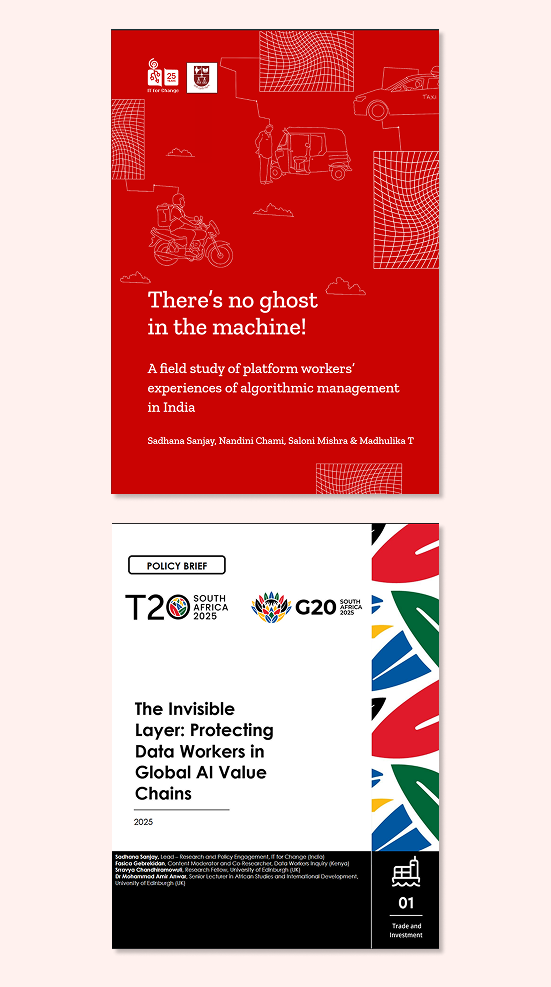
- Advanced research on algorithmic management of work: In our field study report, ‘There’s no ghost in the machine!’, co-produced with the Centre for Labour Studies, National Law School of India University (NLSIU), Bangalore, we examined how platform work is governed through data-driven systems of surveillance, ratings, and automated control. Grounded in workers’ and union organizers’ testimonies, the study challenges dominant framings that reduce algorithmic harms to issues of transparency and explainability. We also presented this research at a convening of stakeholders at NLSIU Bangalore.
- Influenced emerging state-level regulatory frameworks on platform work in India: We provided joint inputs to multiple policy processes shaping labor protections for platform workers across Indian states. This included submissions to the Karnataka Labour Commissioner on the IT architecture for platform workers’ social security, inputs on the draft rules under the Karnataka Platform-Based Gig Workers (Social Security and Welfare) Bill, and comments on the Telangana Gig and Platform Workers (Registration, Social Security and Welfare) Act, 2025 and the Rajasthan Motor Vehicles Aggregator Guidelines, 2025. These engagements advanced worker-centric approaches to algorithmic accountability and data governance.
- Highlighted invisible labor in AI value chains: We co-authored the policy brief, ‘The Invisible Layer: Protecting Data Workers in Global AI Value Chains’ as part of the Think20 (T20) engagement process under South Africa’s G20 presidency. The brief highlighted how AI systems rely on a globally dispersed workforce performing critical tasks such as data annotation, moderation, and validation, often under precarious and exploitative conditions.
 WHAT’S ON THE HORIZON?
- Advancing research and advocacy through the Planetary AI network and deepening analysis of the political economy of AI, foregrounding concerns about labor justice and ecological sustainability in AI value chains.
- Exploring research on women in platform work – and the gendered organization of the emerging structures of the AI economy.

KEY MILESTONES
- Strengthened knowledge on digital sovereignty: We helped design the curriculum and provided framing inputs for the ‘Digital Sovereignty Praxis Course’ organized by Schola Campesina. Our contributions focused on aspects of epistemic justice and dispossession, the lack of public accountability in the management of agricultural data, and the impact of datafication on food security. The course included participants from Asia-Pacific and Africa.
- Spotlighted the social value of health data: We joined a consortium of research, policy, and advocacy organizations at a conference on ‘People-Led AI in Health’ conducted by RAXA Consulting. The goal of the session was to prepare a collaborative charter on ethical and consensual use of personal and sensitive health data in the development and use of health AI technologies. By centering public health as a core pillar of digital innovation and the social value of data in that context, our input focused on reframing the conversation away from individual rights protections and towards more collective imaginations of health data utilization.
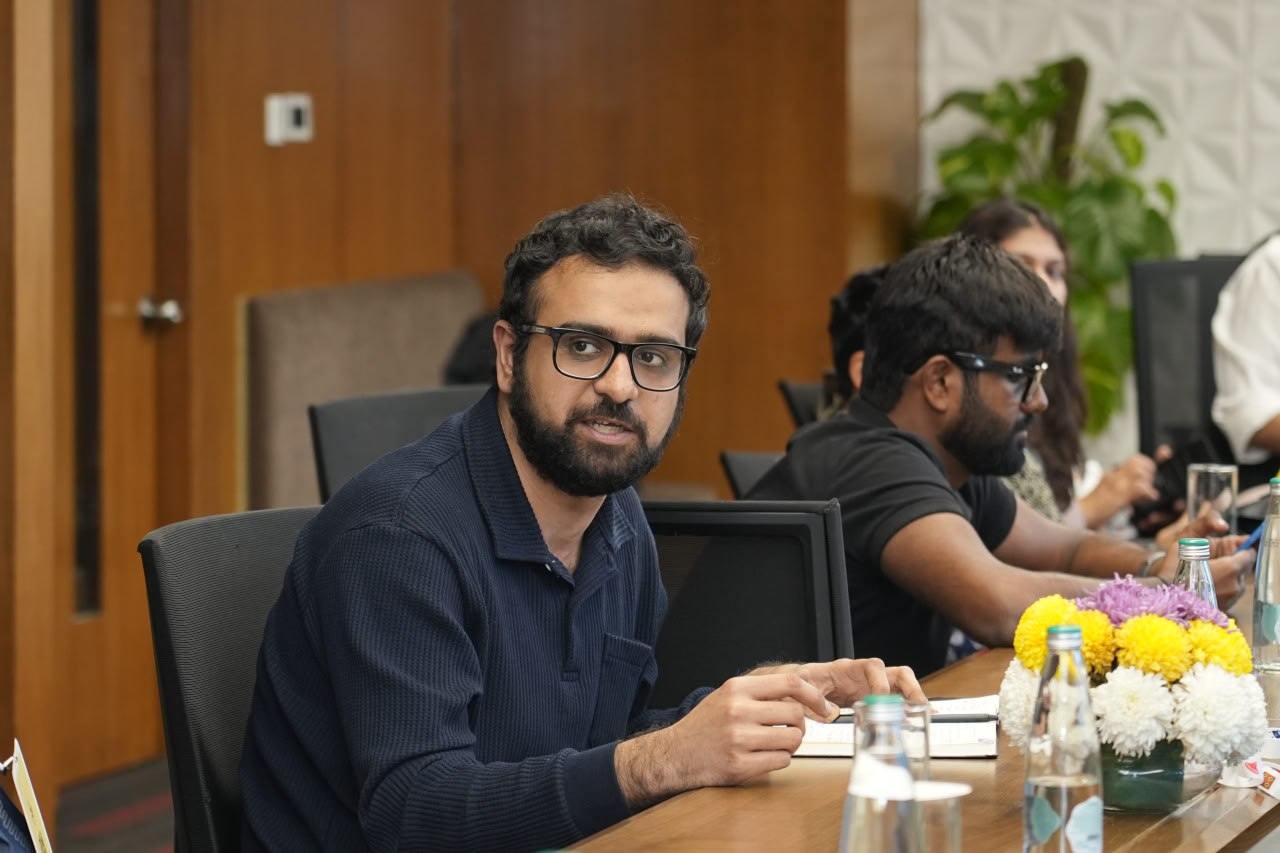
- Contributed to improving agricultural data governance: We were invited to a consultation by Dalberg to provide inputs on the need for effective data governance that moves beyond privacy and security, and actively centers farmers, communities, and collective rights. Dalberg is working with the Ministry of Agriculture on agricultural data exchanges, and our input on the need for collective rights and economic rights over agricultural data, as well as the recognition of farmers’ rights as data originators, was taken on board.
WHAT’S ON THE HORIZON?
- Advancing our line of work on AI and digital health systems for community-responsive models
- Building sector-specific guidelines for AI systems in critical development sectors such as healthcare, agriculture, and education.
- Mapping the transnational governance landscape of digital healthcare and related digital public goods to compile and put forth a Global South-first perspective at multilateral forums.
KEY MILESTONES
-
- Advanced a new paradigm for AI innovation: Drawing from our conference ‘Towards Regenerative AI’ in November 2025, we co-developed and launched a campaign, ‘ReGenAI: A New Deal for the AI Economy’. The campaign foregrounds the need to reorient AI innovation around meaningful work, diversified economies, pluralistic knowledge societies, and planetary flourishing, while challenging dominant models of AI-driven value extraction driven by Big Tech.
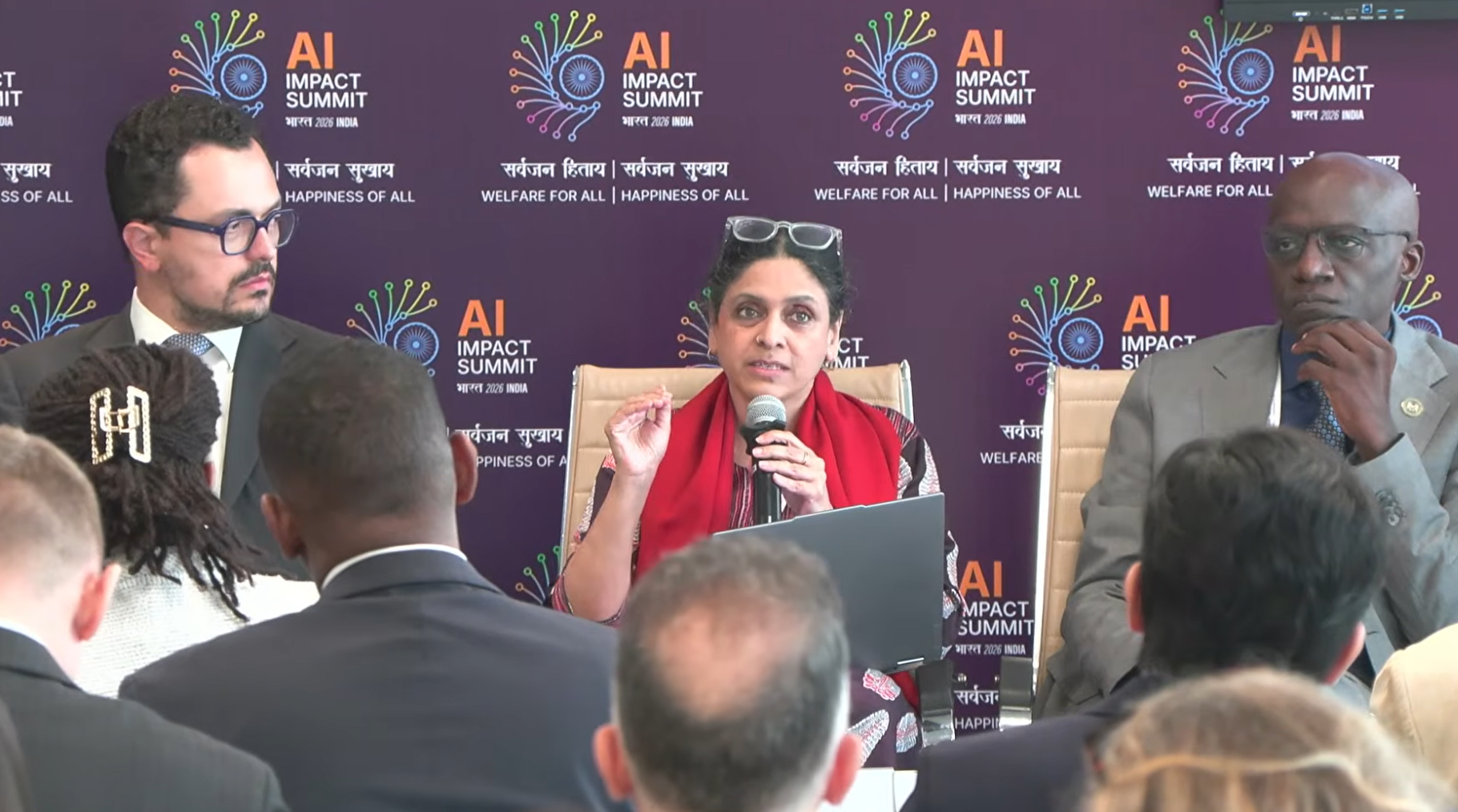
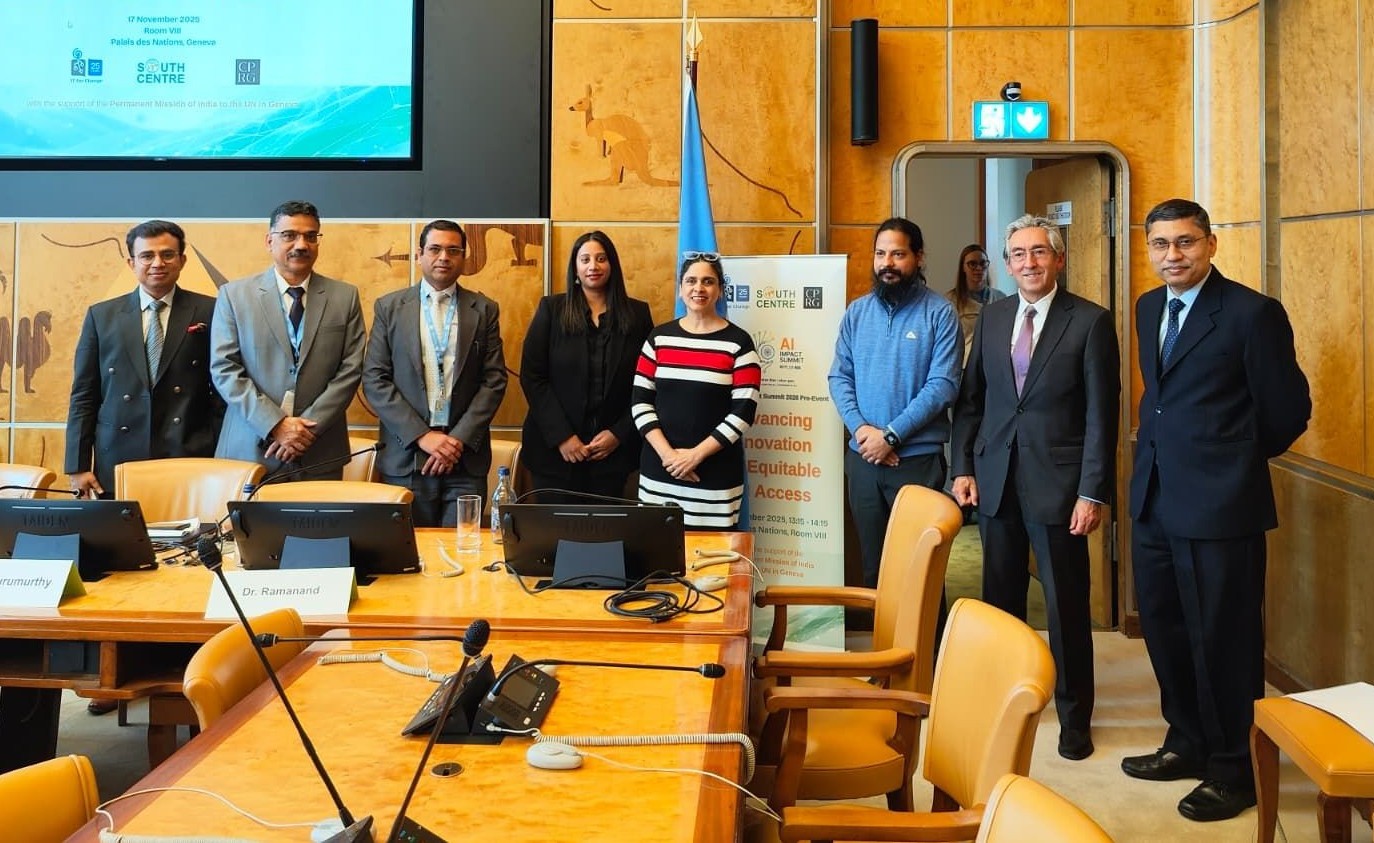
- Offered expertise on building just innovation futures: We were invited to provide expert inputs into the United Nations Conference on Trade and Development’s (UNCTAD) flagship publication, ‘Digital Economy and Innovation Report’. The report will provide evidence-based policy recommendations addressing underlying systemic constraints and market imbalances in innovation ecosystems. We also co-organized an India AI Impact Summit 2026 Pre-event with the Permanent Mission of India in Geneva and the South Centre — a panel on ‘Advancing Innovation for Equitable AI Access’. The event examined alternative approaches and frameworks to help developing countries move beyond Big Tech-driven models toward more democratic, decentralized, and socially grounded approaches.
- Shaped discourse on AI governance: As part of our membership of the Subgroup on ‘International AI Red Lines and Effective Global Governance’ of the United Nations Educational, Scientific and Cultural Organisation’s (UNESCO) Global CSOs & Academic Network on AI Ethics & Policy, we contributed to an official panel, ‘Towards Multilateral Agreement on Enforcing Red Lines’. The panel brought together governments and experts to discuss the potential for multilateral agreement on AI governance, unacceptable risks and harms across the AI value chain, and enforcement mechanisms.
WHAT’S ON THE HORIZON?
- Publishing an issue brief on AI, cultural rights and Intellectual Property (IP) regimes focusing on the preservation of the public domain in the GenAI moment.
- Taking the ReGenAI agenda to critical digital governance spaces and stakeholders, deepening narrative-building and strategic engagement to foreground regenerative approaches to AI innovation.
- Building a community of feminist AI researchers and prototype developers to deepen field-building in the area of feminist AI.
KEY MILESTONES
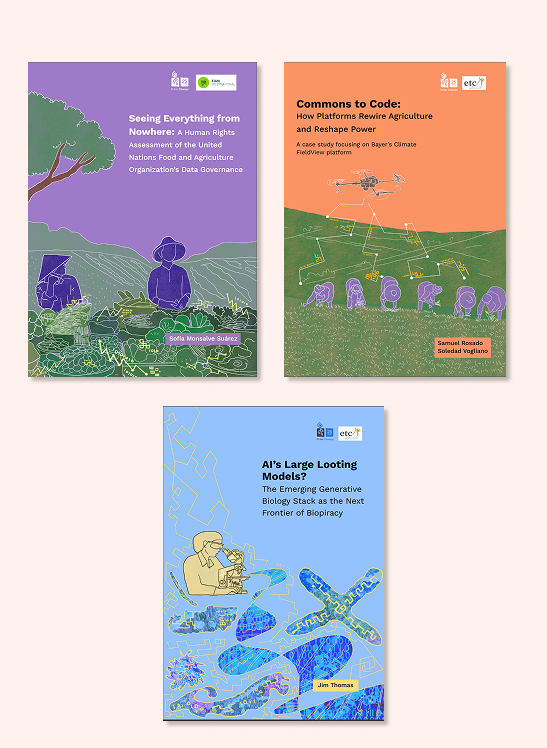
- Advanced key research in data justice: As part of the scholarly community on ‘Centering Equity and Justice in Global Data Governance’, we worked with sectoral experts to understand issues at the intersection of data justice and longstanding development challenges. We co-developed case studies on digitization and datafication across critical sectors, including public health, biodiversity, food sovereignty, and knowledge commons.
- Contributed to the global agenda on data governance: We have been actively engaging with the United Nations Commission on Science and Technology for Development (CSTD) Working Group on Data Governance at all levels through written submissions. Further, we conducted an analysis of the submissions across the four tracks to identify interlinkages in the debates and pathways to a holistic data governance approach grounded in a developmental vision.
- Advocated for Indigenous data rights: As part of our ongoing advocacy work in the digital rights space, we responded to a call for inputs titled 'Indigenous Peoples' Right to Data, including Data Collection and Disaggregation', issued by the Expert Mechanism on the Rights of Indigenous Peoples. Our inputs were incorporated into a draft study introduced by the Expert Mechanism and presented to the Human Rights Council at its 60th session. In our submission, we put forward key recommendations to move beyond the centrality of consent and consultation toward securing meaningful Indigenous data sovereignty — calling upon states and multilateral organizations to adopt a commons-based approach and invest in Indigenous-origin datasets.
WHAT’S ON THE HORIZON?
- Completing the publication of case study reports and the synthesis report under the Centering Equity and Justice in Global Data Governance project..
- Continuing our engagement and advocacy with the processes of the CSTD Working Group on Data Governance.
KEY MILESTONES
- Built regional capacity on digital trade justice in Southeast Asia: We were invited as expert resource persons for regional training programs on digital trade rules, including the ‘Asia Pacific Digital Consumer Dialogue’ and ‘ASEAN's Digital Future: Civil Society Leadership Strategy Meeting’.
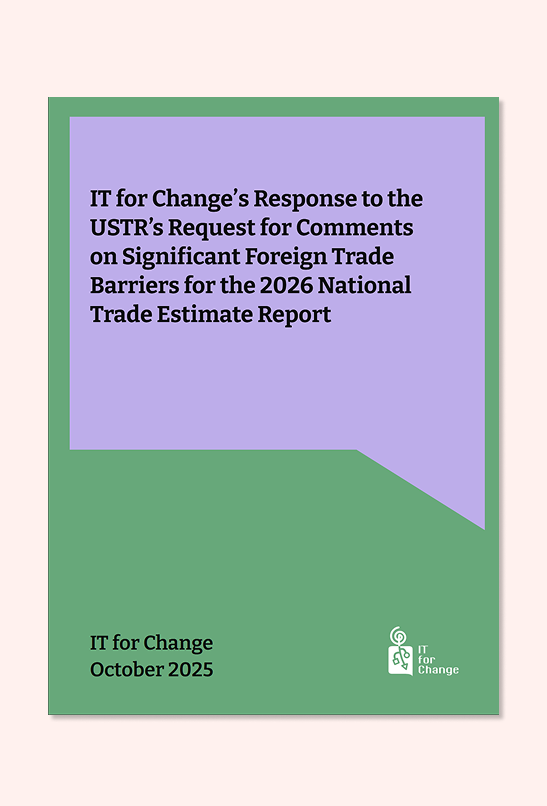
- Promoted digital inclusion for the Global South: We submitted a detailed response to the US Trade Representative’s (USTR) call for inputs to the 2026 National Trade Estimate (NTE) Report, contesting the framing of India’s digital regulations as “trade barriers.” Our submission called for the USTR to adopt an approach grounded in respect for states’ sovereign right to regulate their digital economies in the public interest.
- Strengthened global civil society coordination on digital trade: As facilitator of the Our World Is Not For Sale (OWINFS) Working Group on Digital Trade, we convened regular strategy discussions among members, coordinated advocacy efforts in the lead-up to the World Trade Organization’s (WTO) 14th Ministerial Conference, and contributed to the development of accessible explainers on digital trade issues for developing country negotiators. This work supported collective agenda-setting across regions, resisting expansive digital trade rules and strengthening Global South perspectives on policy space and democratic governance in international trade negotiations.
WHAT’S ON THE HORIZON?
- Producing a series of country-specific case studies on recent digital trade negotiations in the Asia-Pacific, examining their implications for trajectories of public interest regulation of the digital economy across states in the region.
- Publishing analytical pieces on key developments in digital trade, including outcomes from WTO Ministerial Conference 14, evolving US tariff-linked trade arrangements, the Association of Southeast Asian Nations’ (ASEAN) Digital Economy Framework Agreement, and the rationalization of the European Union’s digital laws, to strengthen public understanding of their implications for data governance and economic justice.
KEY MILESTONES
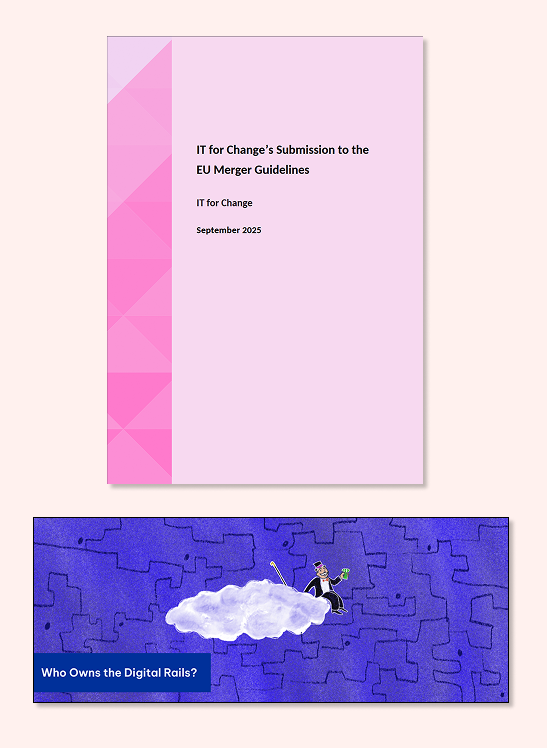
- Provided expert inputs on data merger guidelines: Elevating concerns of the Global South at critical policy moments, we submitted a detailed response to the European Commission's public consultation on its Horizontal and Non-Horizontal Merger Guidelines. We highlighted how monopolistic control over data and infrastructure has enabled gatekeeping behavior and anti-competitive mergers/acquisitions, closing pathways for competition. Our input focused on the inadequacies of traditional competition law perspectives on consumer welfare to address competition issues in digital markets.
- Advocated for fair digital markets: We provided inputs to Brazilian think tanks on shaping an effective competition law to address concentration in digital markets.
- Offered expert inputs for tracking platform governance: Our team offered inputs at the 'Advancing Accountable Platform Governance in Asia: Regional Trends and Global Frameworks' conference in Pretoria, which sought to assess progress in the implementation of the UNESCO Guidelines for the Governance of Digital Platforms.
WHAT’S ON THE HORIZON?
- Embarking on a new research project to explore how techno-legal standards (such as interoperability and openness with appropriate regulation) can foster open, dynamic, and competitive local innovation ecosystems in India across the AI stack.
KEY MILESTONES
- Empowered teachers
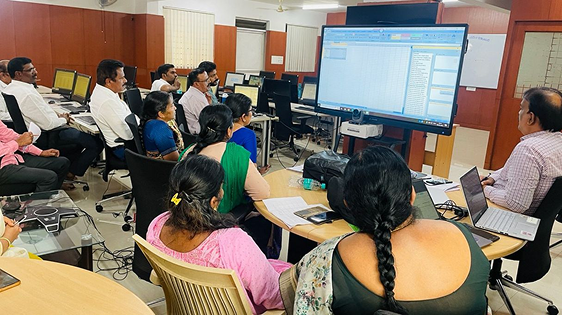
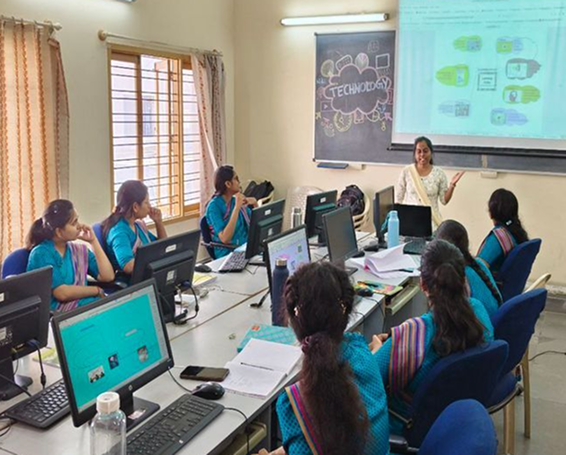
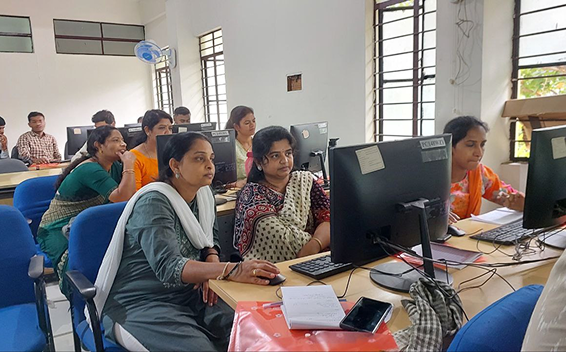
- Equipped teachers to create language learning resources: We worked with government school teachers from Tamil Nadu, Andhra Pradesh, Kerala, Karnataka, and Telangana through bilingual resource creation workshops, as part of the Certificate in English Language Teaching (CELT) courses at the Regional Institute of English, South India (RIESI). Sessions combined bilingual pedagogy with hands-on script writing, narration, and recording of 40 stories in participants' regional languages and English.
- Prepared student-teachers to teach with open technology: We conducted EdTech Integrated Learning workshops with multiple cohorts of B.Ed students at teacher education institutes in Bengaluru. Sessions covered Free and Open Source Software (FOSS) tools, hardware, mobile applications, AI literacy, and storytelling-based pedagogy for interdisciplinary teaching.
- Innovated for the classroom
- Took a new social science curriculum from concept to the classroom: For the Social Science through Information Technology in Education (SOSITE) project, we focused on curriculum design and development, creating detailed session plans and multimodal educational materials for middle school children, and conducted orientation workshops for teachers.
- Piloted AI-driven oral assessment in language pedagogy: We piloted English Language Assessment (ELA), a specialized Spoken English assessment software within the Language Enrichment through Audio Story-based Pedagogy (LEAP) program, to help teachers track student progress. This innovation enables teachers to better understand learner progress in the classroom.
- Built evidence and system capacities
- Strengthened research and analytical capacities within the public education system: We were invited by the Department of State Educational Research and Training (DSERT), Karnataka, to participate in a research project on the role of libraries in government schools, contributing to tool design, data collection, analysis, and report preparation. We also conducted a capacity-building workshop for District Institute of Education and Training (DIET) faculty to support them in conducting the statewide research projects.
- Advanced research on audio story-based language learning: At select government-aided schools in Bengaluru, which are the sites of our intensive school work under our Karnataka Language Enrichment through Audio Story-based Pedagogy (K-LEAP) program, we conducted action research to study the impact of audio-story-based pedagogy on students' English and Kannada language learning.
WHAT’S ON THE HORIZON?
- Designing and implementing the next phase of K-LEAP, ensuring continuity and scaling up of the program through partnerships with government school systems in Karnataka.
- Implementing our Public EdTech model of Science, Technology, Engineering, and Mathematics (STEM) in five states in India. This will involve building the capacities of teachers to use FOSS for Continuous Professional Development (CPD), Open Educational Resource (OER) development, and in their practice. The program will build on the Lucknow workshop as a scalable model for public EdTech integration in Uttar Pradesh.
- Expanding the SOSITE program to four schools and supporting 36 schools to integrate social science digital resources and techno-pedagogies into their teaching.
- Scaling up J-LEAP and O-LEAP in Jharkhand and Odisha through a proposed collaboration with the United Nations Children's Fund (UNICEF), Tata Trusts, and Tata Steel CSR for a major state-wide program in tribal languages in partnership with CinI.
- Customizing courses on integrating EdTech in teaching-learning for different student-teacher cohorts, revising the curriculum to integrate more closely with the Pre-Service Teacher Education curriculum and to adapt to tech trends.
- Continuing our collaborations with eminent institutions such as RIESI for the bilingual resource creation program through teacher capacity building.
- Continuing our research, advocacy, and outreach efforts to amplify the reach of our programs.
KEY MILESTONES
- Cautioned against the unfettered adoption of AI in education: Gurumurthy Kasinathan, Director and Lead - Public EdTech, contributed to a seminar on ‘Estimating the Requirements for 21st Century Schooling in India’ held at the National Institute of Advanced Studies (NIAS), convened to inform NITI Aayog on the needs of 21st-century schools. Gurumurthy focused on the implications of using AI and technology in Indian schools and raised concerns about the adoption of proprietary AI models and platform technologies.
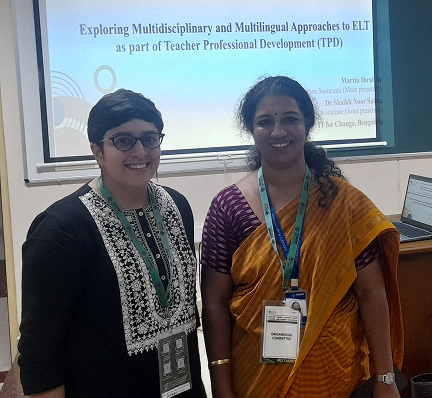
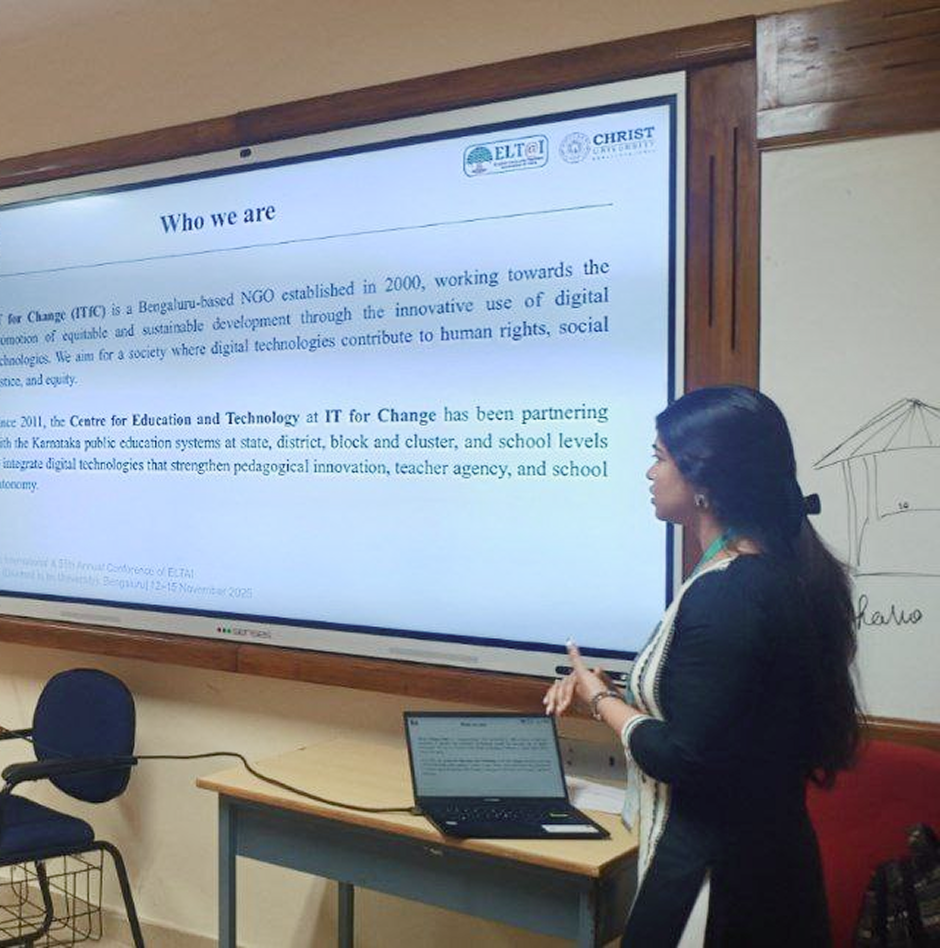
- Advanced research on teacher development: Our Senior Program Associates, Marzia Ibrahim and Reha Sharma, presented their research papers, ‘Exploring Multidisciplinary and Multilingual Approaches to English Language Teaching (ELT) as part of Teacher Professional Development (TPD)’ and ‘Digital Audio-Story-based Pedagogy for ELT’, respectively, at the 19th International and 55th annual conference of the English Language Teachers Association, India (ELTAI). The event was an opportunity to connect with a larger network of education professionals and share classroom innovations and reflections from our practice
- Highlighted vulnerabilities in shadow education: We participated in a panel at the Comparative Education Society of India (CESI) Conference, presenting insights from a book chapter on the platformization of shadow education. Our presentation elaborated on how platforms can potentially displace small tutor centers and centralize shadow education. The result would be a single platform controlling the entire process, with tutors, parents, and children all dependent on it
- Advocated for digital sovereignty: We spoke in a panel titled ‘Building India's Edge in an Age of Algorithmic Power’, at the 8th India Think Tank Forum, organized by Observer Research Foundation (ORF). Highlighting how the concentration of AI infrastructure in a handful of corporations and economies further exacerbates structural asymmetries across the globe, our input emphasized pathways to ensure India’s digital sovereignty in the AI order
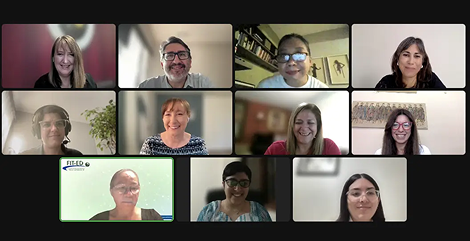
- Integrated gender and inclusion in teacher-focused research: Marzia participated as a panelist in the webinar where the Empowering Teachers Initiative’s (ETI) ‘Gender Equality and Social Inclusion (GESI) Framework for Researchers’ was presented. This framework is a new self-evaluation tool designed to help researchers working with teachers systematically integrate a GESI perspective into their studies.
WHAT’S ON THE HORIZON?
- Collaborating with Education International for a research study that aims to identify and synthesize the concerns, needs, expectations, and collective action priorities of teachers regarding the use and impact of AI in K–12.
- Shaping discourse around critical perspectives on EdTech through the CETI network events and activities such as webinars, blogs, social media campaigns, and newsletters.
- Publishing our forthcoming journal article in the ECNU Review of Education journal on ‘Scaling EdTech-Facilitated Teacher Professional Development - Two Case Studies of Language Learning Programs in Kerala and Karnataka, India.’
- Fortifying education research through our forthcoming book chapter titled ‘Reclaiming Agency: Lessons for Scaling, from a Teacher-First TPD Program in India’ to be published in the book ‘Adaptation, Agency and Equity: Future Priorities for Teacher Professional Development systems’ based on the collective work of researchers from the Empowering Teachers Initiative (ETI).
KEY MILESTONES
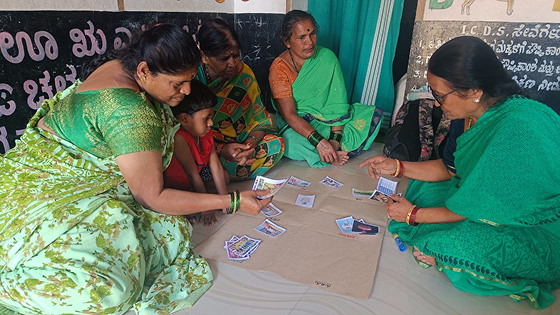
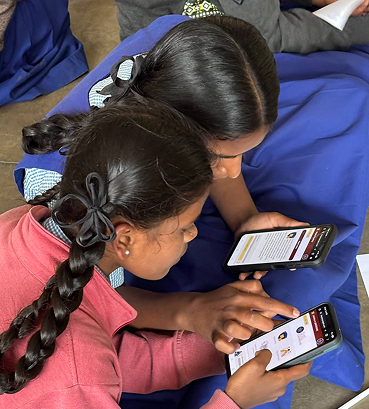
- Took career guidance to the rural first mile: We launched a pilot of ‘Dream Desk’, a hub that caters to the diverse empowerment and information needs of young women and adolescent girls, in Mulluru village. Through in-person training sessions and an online repository, ‘Dream Desk’ addresses higher education and career opportunities, digital skills, financial literacy, understanding gender and patriarchy, and hands-on community media creation.
- Fortified financial literacy: In response to the growing monetary distress rural women face from micro-finance institutions, we designed and facilitated a two-session financial literacy capsule. 71 women from our women’s collectives discussion forums, across two blocks, participated in it. The sessions covered spending patterns, daily budgeting, loans and savings, and financial independence
- Expanded Kishori Clubs: The Hosa Dishe (New Directions) program completed another year in eight districts across Karnataka. We expanded the program to residential schools in four new districts. The orientation workshops equipped teacher-facilitators to run ‘Kishori Clubs’ as safe spaces for adolescent girls.
WHAT’S ON THE HORIZON?
- Identifying the ‘Dream Desk’ cohort in Mulluru, followed by an orientation for their families to garner their support and buy-in. In parallel, we are designing an online repository of education and career pathways that is local, contextual, and easily accessible to girls and young women.
- Designing curricula for two new in-school programs. ‘Kishori Digital Labs’ will equip adolescent girls with digital skills (from foundational literacy to visual programming), media creation skills, and career readiness, alongside critical media literacy, online safety, and counter-narrative content creation. ‘Kishora Labs’, a pilot for adolescent boys, will build conversations around identifying toxic masculinity and building healthy models of masculinity.